Fotona Laser Treatments for Mature Skin: What to Know
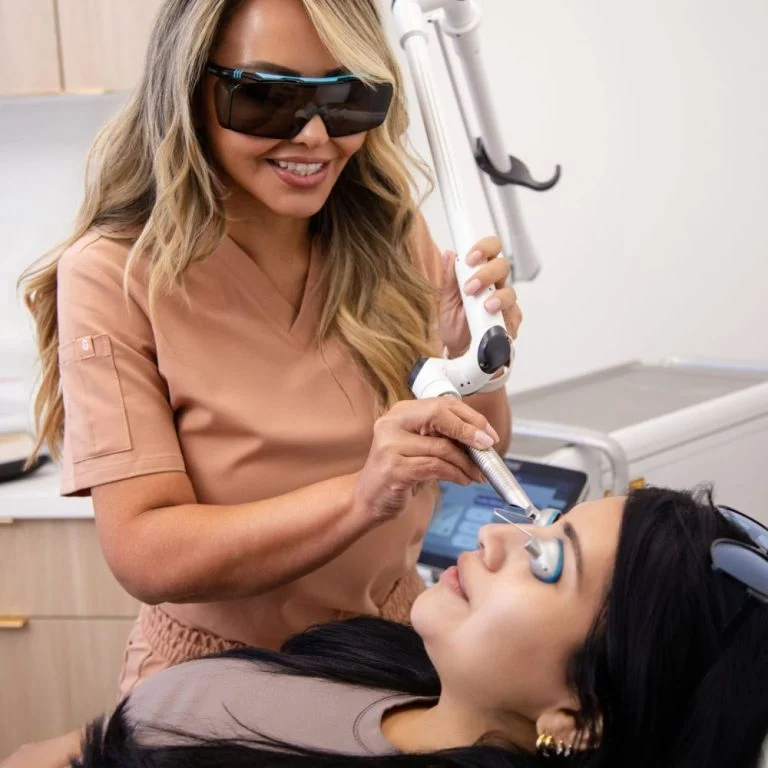
Mature skin rarely has just one concern. By the time patients begin seriously considering laser treatments, they are often noticing a blend of changes rather than a single issue: slower cell turnover, thinning around the eyes, laxity along the jawline, sun damage that seems to sit deeper in the skin, and texture that no longer bounces back the way it once did. That combination matters, because the best treatment plans for mature skin are almost never one-note.
Fotona Laser Treatments have earned attention for exactly that reason. The platform is versatile, and in experienced hands it can be adjusted for resurfacing, tightening, pigment-related concerns, and overall skin quality. It is not a miracle fix, and it is not right for every face or every health history, but it can be a strong option for people who want visible change without jumping straight to surgery.
The most useful way to understand Fotona is not as a single treatment, but as a family of laser approaches built around two well-known wavelengths: Er:YAG and Nd:YAG. Those wavelengths behave differently in tissue. One works more superficially and can be used for resurfacing and textural refinement. The other penetrates more deeply and is often used for heating tissue, stimulating collagen, and addressing vascular or structural concerns depending on settings. That dual approach is a big part of why the platform is discussed so often in the context of aging skin.
Why mature skin needs a different treatment strategy
Younger skin can sometimes tolerate https://medium.com/@omniawellnesscenter/about aggressive treatments and recover quickly. Mature skin is more nuanced. It may be drier, thinner, slower to heal, and more reactive than it was a decade earlier. There may also be cumulative UV damage, fragile capillaries, or a history of procedures that changed how the skin behaves. A treatment that looks straightforward on paper can become disappointing if those realities are ignored.
This is where judgment matters more than machine branding. The same laser platform can produce elegant, natural-looking improvement in one patient and an overtreated, inflamed result in another if the settings are wrong or the treatment plan is too ambitious. For mature skin, the goal is usually not maximum aggression in a single session. It is controlled stimulation, careful resurfacing where appropriate, and enough recovery time for the skin to respond well.
In practice, many older patients care about three things above all: they want to look fresher rather than altered, they want downtime they can realistically manage, and they want to avoid the “I had something done” look that can happen when texture improves unevenly or redness lingers longer than expected. Fotona can be adapted to those priorities, but only if the treatment is personalized.
What Fotona Laser Treatments actually do
When people hear “laser,” they often imagine one beam solving every age-related concern. Real treatment is more specific. Different Fotona protocols can target different layers of the skin and different goals. Depending on the device, the provider, and the condition being treated, the treatment may focus on gentle collagen stimulation, more noticeable resurfacing, or a combination of both.
For mature skin, the most common goals tend to be smoother texture, softer fine lines, modest tightening, and an improvement in overall skin tone. A patient in her late fifties with crepey under-eye skin and mild cheek laxity may need a very different plan from a patient in her late sixties with deeper etched lines around the mouth and years of sun exposure on the cheeks and forehead.
The strength of Fotona Laser Treatments is that they can be layered. One wavelength may be used to heat tissue below the surface, encouraging collagen remodeling over time. Another may be used more superficially to improve texture and reduce the look of superficial irregularities. That layered approach often suits mature skin better than a single aggressive pass, especially if the patient wants meaningful results with controlled downtime.
It is worth setting expectations correctly. Lasers can improve skin quality. They can soften lines. They can tighten mildly to moderately in the right patient. They do not replace a surgical lift when skin laxity is advanced, and they do not stop the aging process. The happiest patients usually understand this from the start.
The changes mature patients tend to notice first
One reason patients seek treatment later in life is that age-related skin changes do not arrive all at once. They accumulate. First it may be makeup settling into fine lines. Then it is the under-eye area looking tired even after good sleep. Eventually there is a broader shift in how the face reflects light. Skin starts to look less smooth and less rested, even when there is no dramatic wrinkle in any one spot.
In clinic conversations, the complaints are often surprisingly consistent. People mention roughness when they wash their face, lipstick bleeding into vertical lines, enlarged pores on the inner cheeks, or a loose look around the lower face that is hard to define but easy to see in photos. Some also notice that old acne scars or sunspots seem more obvious as the surrounding skin loses firmness.
Fotona can be useful here because it can address several of these quality-related issues within one broader treatment strategy. That does not mean everything is corrected in one session. Most mature patients do better with a series, or with a staged plan that combines office treatments with better skincare and realistic maintenance.
How treatment feels, and what recovery is usually like
This varies enormously based on the protocol. A gentle collagen-stimulating session may feel warm, prickly, and very tolerable with topical numbing or even without it, depending on the area. A stronger resurfacing session is more intense and usually calls for topical anesthetic, sometimes additional comfort measures, and a clear recovery plan.
The difference between “no downtime” and “real downtime” can be substantial. Some treatments leave patients pink for a day or two, with mild swelling and a dry, warm sensation. More aggressive resurfacing can bring several days of redness, roughness, bronzing, peeling, and visible healing. Mature patients often underestimate this part, particularly if they have only had facials, light peels, or radiofrequency in the past.
There is also the social downtime to consider. Even when the skin is medically healing well, redness can linger longer in some people, especially those with fair, reactive skin or a history of rosacea. For that reason, a treatment that is technically “minimal downtime” may still feel disruptive if the patient has a public-facing job or a full calendar.
The practical side matters. If you live alone, have trouble applying ointment around the eyes, or cannot avoid sun exposure for work, that should shape the treatment choice. Experienced clinicians ask about these details because they directly affect outcomes.
Where Fotona often fits well for mature skin
The best candidates usually have early to moderate signs of aging and want visible improvement in skin quality without surgery. They may not be ready for a facelift, or they may not need one yet. They are often bothered by fine lines, mild laxity, textural roughness, and general dullness rather than severe sagging alone.
Certain areas tend to be especially rewarding when treated thoughtfully. The under-eye region, perioral area, cheeks, and neck are common focus points, although each requires different settings and a different margin for error. The skin around the eyes, for example, can improve nicely with careful treatment, but it also demands a conservative, experienced approach because the tissue is thin and less forgiving.
Some clinicians also use Fotona protocols as part of a larger rejuvenation plan, pairing them over time with injectables, medical-grade skincare, or bio-stimulatory treatments. This often makes sense for mature patients, because aging involves volume loss, movement, skin quality, and structural descent, not just texture. A laser can improve the canvas, but it cannot restore lost facial fat or reposition tissue that has descended significantly.
When caution is warranted
Not every patient with mature skin is a straightforward candidate. A history of melasma, poor wound healing, active infections, certain autoimmune conditions, recent isotretinoin use, or a tendency to form abnormal scars can change the risk-benefit calculation. Darker skin tones also require careful assessment, especially when resurfacing is being considered, because post-inflammatory pigment changes can be more of a concern depending on the settings used and the clinician’s experience.
Medication history matters too. Photosensitizing drugs, anticoagulants, and even overuse of strong retinoids or exfoliants can affect preparation and recovery. So can smoking. Smokers are often disappointed when they invest in skin procedures while continuing a habit that works against circulation and healing.
This is also one of those areas where honesty during consultation pays off. If you recently had a tan, a peel, filler, or a flare of dermatitis, say so. Good treatment planning depends on details.
A simple way to tell whether you may be a reasonable candidate
- You want improvement in texture, fine lines, or mild laxity, not a surgical-level lift.
- You can commit to strict sun protection before and after treatment.
- You are willing to follow aftercare carefully, including temporary pauses on active skincare.
- You understand that more than one session may be needed.
- You have been evaluated for factors that increase pigment or healing risks.
That list is basic, but it captures the mindset of a strong candidate. The ideal patient is not someone chasing a dramatic overnight transformation. It is someone who understands that skin remodeling is gradual and that visible results often build over weeks to months.
The consultation matters more than the brand name
Many patients arrive asking specifically for Fotona Laser Treatments because they have seen before-and-after photos online or heard the name from a friend. That is understandable, but the quality of the consultation matters far more than the label on the machine.
A good consultation should include a close look at skin thickness, oiliness or dryness, degree of sun damage, pigment pattern, laxity, and healing history. It should also include a frank conversation about what bothers you most. Some patients come in saying they want “tightening” when what they actually dislike is etched texture around the mouth. Others ask for resurfacing when the main issue is lower-face heaviness that a laser can only modestly improve.
This distinction affects satisfaction. If the clinician and patient are solving different problems, even a technically good treatment can feel disappointing. The best providers narrow the goal before they start. They explain what the laser can improve, what it probably will not fix, and whether another approach would serve you better.
In my experience, the most reassuring consultations are the ones where the practitioner is comfortable saying no, or at least not yet. If a face needs volume restoration first, or if the skin barrier is inflamed and over-exfoliated, a thoughtful provider will address that before reaching for a laser.
The trade-offs patients should understand early
Every useful aesthetic treatment involves trade-offs. With Fotona, the conversation often comes down to intensity versus downtime, and subtlety versus speed. Gentler sessions may fit more easily into real life, but they usually require a series and patience. Stronger sessions can produce more visible resurfacing, but they ask more of the skin and more of the patient during recovery.
Cost is another practical factor. A series of moderate treatments can add up quickly, especially if maintenance is needed. That does not make it poor value, but it does mean patients should think beyond the price of a single session. The real question is what level of improvement is likely, how long it may last, and whether the plan fits both budget and tolerance for downtime.
There is also a psychological trade-off that people do not discuss enough. Mature patients sometimes come in with a decade’s worth of frustration and hope that one procedure will erase it. That expectation is unfair to the treatment and to the patient. Laser rejuvenation usually works best as part of a broader reset in how the skin is cared for, protected, and maintained.
Results, timing, and what “improvement” usually looks like
Some changes are visible quickly. Skin may look brighter or smoother once the initial healing settles. But collagen remodeling takes time. For mature skin, the most meaningful changes often emerge gradually over six to twelve weeks, sometimes longer, depending on the depth and type of treatment.
That delayed gratification can be frustrating for patients used to fillers or neuromodulators, which often show a more immediate effect. Laser results tend to be quieter at first, then more convincing over time. Friends may not say, “You look different.” They may say you look rested, healthier, or less drawn. For many patients, that is exactly the point.
The degree of improvement also varies by concern. Fine lines and texture often respond better than pronounced sagging. Sun damage may improve noticeably, but deep static folds around the mouth will not disappear. The neck can respond, but usually more modestly than the face. Honest counseling on these differences is one of the clearest signs of a capable practitioner.
How to prepare without sabotaging your own outcome
Preparation is often less glamorous than treatment day, but it makes a real difference. Sun avoidance is critical. So is disclosing your actual skincare routine, not the idealized version of it. If you have been using strong acids, retinoids, scrubs, or home devices, your provider needs to know.
Skin that is irritated before treatment often heals more slowly afterward. The same goes for dehydrated skin or a compromised barrier. Sometimes the smartest move is to spend two or three weeks calming the skin before scheduling the laser. Patients occasionally resist that advice because it feels like a delay. In reality, it is often what protects the investment.
This is also a good time to plan for the ordinary logistics: clean pillowcases, bland moisturizers, sunscreen you know your skin tolerates, and a few quieter days after treatment if your protocol is expected to produce visible redness or peeling. Thoughtful preparation reduces stress at exactly the moment you want healing to be uncomplicated.
Aftercare is not optional
Laser aftercare is where good results are protected. Mature skin, particularly if it is dry or thin, benefits from gentle cleansing, barrier support, and strict UV avoidance after treatment. It is not the time to “help” the process along with exfoliating acids, vitamin C serums that sting, or active products that usually feel fine but now burn on contact.
Patients often ask when they can restart retinoids. The answer depends on how the skin looks, not just the calendar. If there is lingering pinkness, tenderness, or flaking, it is usually too soon. The same caution applies to exercise, heat exposure, and prolonged sun during the early healing window.
One common mistake is judging the result while the skin is still inflamed. The first week or two can be visually noisy. Mild swelling can make lines look better temporarily, then the skin can look a bit dry or rough before the final improvement starts to show. Patients who know this ahead of time tend to cope better with the in-between phase.
Questions worth asking before you book
- Which specific Fotona protocol are you recommending for my concerns, and why?
- How many sessions do you expect I will need for a realistic result?
- What is the most likely downtime for my skin, not the average patient?
- What risks are most relevant for my skin tone and medical history?
- If this does not address my main concern fully, what would the next step be?
Those questions do more than gather information. They reveal how the clinic thinks. Vague answers, inflated promises, or reluctance to discuss alternatives should make you pause.
Where mature patients often get the best value
The best value is not always the strongest treatment or the cheapest package. It is the plan that matches the biology of your skin and the reality of your life. For a busy professional in her sixties with moderate texture changes and mild laxity, a series of conservative sessions may be far more satisfying than one aggressive treatment followed by two weeks of regret. For someone with deeper perioral lines and a willingness to accept downtime, a stronger resurfacing approach may be exactly the right call.
There is also real value in maintenance. Skin that has responded well to laser often holds improvement better when paired with daily sunscreen, a tolerable retinoid if appropriate, and disciplined moisturization. That sounds ordinary, but ordinary habits are what protect procedural results.
Fotona Laser Treatments can be a smart option for mature skin because they allow flexibility. That flexibility is their strength, and occasionally their weakness, because outcomes depend heavily on the person holding the handpiece and the plan built around you. Mature skin rewards restraint, precision, and realism. If those are present, the treatment can do something many patients want more than dramatic change. It can help the skin look like itself again, just healthier, smoother, and less tired.
OMNIA Wellness Center
Address: 16430 Ventura Blvd Ste 207, Encino, CA 91436
Phone number: +18183868511
FAQ About Fotona Laser Treatments
What is a Fotona laser good for?
A Fotona Laser system is a versatile, dual-wavelength medical laser used primarily for non-surgical skin tightening, anti-aging rejuvenation, and dermatological treatments.
How much does the Fotona laser cost?
The cost of a Fotona laser depends heavily on whether you are looking to purchase a laser machine for a medical practice or are a patient seeking a laser treatment at a medspa.
Is a Fotona laser worth it?
A Fotona laser treatment is generally worth it if you want non-surgical skin tightening, improved texture, and collagen stimulation with very little downtime.